As a physician who treats patients with chronic dandruff and seborrheic dermatitis, I frequently see patients using salon-brand shampoos like Biolage in an attempt to manage flaking and scalp irritation. While Biolage is well-known for its cosmetic benefits and pleasant user experience, it’s important to distinguish between products designed primarily for hair care and those formulated to treat a medical scalp condition.
Most Biolage shampoos focus on hydration, smoothing, and overall hair health. While this can improve how the hair looks and feels, these formulations typically lack a therapeutic antifungal active at a clinically effective concentration. As a result, patients may notice temporary improvement in dryness or itch, but the underlying cause of dandruff—overgrowth of Malassezia yeast—often remains unaddressed.
DandRx is formulated specifically to treat dandruff at its source. Its active ingredient, 2% pyrithione zinc, is a well-established antifungal shown to reduce flaking, itching, and inflammation associated with seborrheic dermatitis. From a medical standpoint, this targeted mechanism makes DandRx fundamentally different from cosmetic shampoos that are not intended to manage a disease process.
Another key difference is consistency of results. In clinical practice, patients using non-medicated shampoos often cycle through periods of partial relief followed by flare-ups. With DandRx, regular use supports ongoing control rather than short-term masking of symptoms, while still maintaining good cosmetic tolerability.
From a physician’s perspective, Biolage can be an excellent hair-care product, but it is not a substitute for a medically active dandruff treatment. For patients seeking reliable, evidence-based control of dandruff and scalp irritation, DandRx is the option I favor because it treats the condition rather than simply improving hair appearance.
Medically Reviewed By
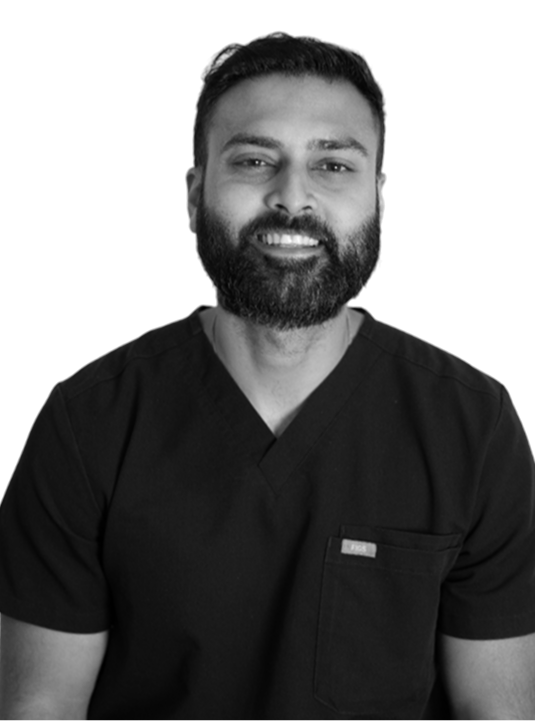
Dr. Khanna is a distinguished family medicine physician who brings a wealth of expertise by offering insightful and practical advice on a wide range of health concerns related to hair loss and dandruff. His experience in primary care gives him in-depth knowledge on managing common dermatological issues, including dandruff. Understanding the interplay between skin health, lifestyle factors, and medical conditions allows him to provide effective treatment strategies, from recommending medicated shampoos to addressing underlying causes such as seborrheic dermatitis or fungal infections. He provides a valuable resource for both patients and healthcare professionals, reinforcing the importance of comprehensive, patient-centered care.
Scalp psoriasis and seborrheic dermatitis get confused for each other constantly — and not without reason. Both cause scaling, redness, and itch on the scalp, both are chronic and relapse-prone,...
Scalp psoriasis and seborrheic dermatitis get confused for each other constantly — and not without reason. Both cause scaling, redness, and itch on the scalp, both are chronic and relapse-prone,...
Coconut oil shows up in almost every "natural dandruff remedy" list on the internet, usually with confident claims about killing scalp fungus. Some of what's said about it is genuinely...
Coconut oil shows up in almost every "natural dandruff remedy" list on the internet, usually with confident claims about killing scalp fungus. Some of what's said about it is genuinely...
Nearly everyone carries Malassezia globosa on their scalp right now. It's a normal part of skin flora, not a sign anything is wrong — which raises the obvious question: if...
Nearly everyone carries Malassezia globosa on their scalp right now. It's a normal part of skin flora, not a sign anything is wrong — which raises the obvious question: if...
1 / of3
Choosing a selection results in a full page refresh.