
I get this question a lot, and I always appreciate how direct it is. So I'll be equally direct: no, seborrheic dermatitis cannot be permanently cured — but it can be very well controlled, and for most people, that difference barely matters day to day.
Here's what I mean.
Why There's No Cure
Seborrheic dermatitis is driven by your skin's relationship with Malassezia — a yeast that lives naturally on everyone's scalp. In some people, the immune system overreacts to it, triggering inflammation, excess oil production, and flaking.
That immune tendency doesn't go away. It's part of your biology. What changes is whether the yeast is kept in check and whether the inflammatory response is suppressed. That's the goal of treatment — not elimination, but control.
Think of it like managing high blood pressure. The condition doesn't disappear, but with the right approach, you can live completely normally.
What "Controlled" Actually Looks Like
With consistent treatment, most patients reach a state where:
- Flaking is minimal to undetectable
- Itching is gone or rare
- Scalp redness clears up
- Flares become shorter and less intense over time
This isn't a consolation prize. This is the realistic, achievable outcome for most people — and it's a good one.
What Triggers Flares
Understanding your triggers is half the battle. The most common ones I see:
Stress is the biggest one. Cortisol disrupts your skin barrier and feeds yeast overgrowth. A stressful week often shows up on your scalp 5–7 days later.
Seasonal changes — cold, dry air in winter strips the skin barrier. Many patients are almost symptom-free in summer and flare significantly in fall and winter.
Skipping treatment — this is the most common reason I see patients relapse. Once flaking clears up, people stop the shampoo. A few weeks later, it's back.
Hormonal shifts — puberty, pregnancy, and menopause all alter sebum production, which directly affects Malassezia growth.
Certain health conditions — seborrheic dermatitis is more severe and harder to control in people with Parkinson's disease, HIV, and some neurological conditions.
The Right Treatment Approach
The key is using an anti-dandruff shampoo that actually targets the yeast — not just a cosmetic shampoo that masks the flaking. The active ingredients that have real evidence behind them:
Zinc pyrithione — antifungal and antibacterial, reduces Malassezia directly. Best for daily or near-daily use. This is the core ingredient in DANDRX.
Ketoconazole — prescription-strength antifungal, highly effective for moderate-to-severe cases or when OTC options aren't enough.
Selenium sulfide — slows skin cell turnover and reduces yeast. Effective but can dry out hair with frequent use.
Coal tar — reduces scaling and inflammation. Works well but has a strong smell and can stain.
Salicylic acid — lifts scale so other active ingredients can penetrate. Best used alongside an antifungal, not alone.

The mistake most people make is treating seborrheic dermatitis like a temporary problem — using the shampoo until it clears, then stopping. The smarter approach is a maintenance routine: treat actively during a flare, then use a medicated shampoo 1–2 times per week to keep things calm.
When to See a Doctor
Come in if:
- OTC shampoos haven't made a meaningful difference after 4–6 weeks
- The flaking or redness is spreading to your face, eyebrows, or ears
- There's significant hair loss alongside the flaking
- You're immunocompromised — seborrheic dermatitis can be more aggressive and may need prescription treatment
The Bottom Line
Seborrheic dermatitis isn't curable, but it's one of the more manageable chronic skin conditions out there. The right shampoo, used consistently, gets most people to a place where they stop thinking about their scalp entirely. That's the goal.
Medically Reviewed By
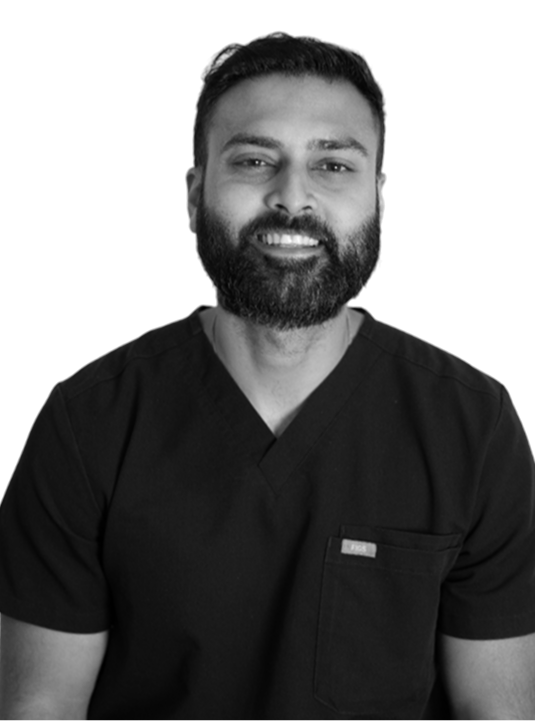
Dr. Khanna is a distinguished family medicine physician who brings a wealth of expertise by offering insightful and practical advice on a wide range of health concerns related to hair loss and dandruff. His experience in primary care gives him in-depth knowledge on managing common dermatological issues, including dandruff. Understanding the interplay between skin health, lifestyle factors, and medical conditions allows him to provide effective treatment strategies, from recommending medicated shampoos to addressing underlying causes such as seborrheic dermatitis or fungal infections. He provides a valuable resource for both patients and healthcare professionals, reinforcing the importance of comprehensive, patient-centered care.


