
Almost every patient who brings up dandruff opens with some version of an apology — like flaking on the scalp is a personal failing or a hygiene lapse. It's neither. Dandruff is one of the most common skin conditions I see, and the shame attached to it is almost entirely disproportionate to what's actually going on biologically.
The short version: dandruff is driven by a yeast that lives on essentially everyone's scalp as part of the normal skin microbiome. Some people's scalps react to it more than others. That's a difference in biology, not a difference in how clean or careful someone is.
"I want patients to walk out of my office understanding that dandruff isn't a sign that something is wrong with them. It's a sign that a very common organism is doing what it does on a scalp that happens to react to it. That reframe changes how people approach treating it."
— Dr. Deepak Khanna DOHere's why dandruff is as normal as it is common, what's actually happening on the scalp when it shows up, and why the stigma around it doesn't match the science.
Four Questions.
Four Direct Answers.
Is dandruff actually as common as it feels?
Dandruff and its more inflamed relative, seborrheic dermatitis, are estimated to affect roughly half of adults at some point, making it one of the most common scalp conditions there is. If it feels like everyone either has it or has dealt with it, that's because the numbers roughly back that up.
Does dandruff mean I'm not washing my hair enough?
Dandruff is driven by an individual scalp's reaction to a yeast that's present on virtually everyone's skin, not by how often hair is washed. Over-washing can sometimes irritate a scalp further, and under-washing can let oil and flakes accumulate more visibly, but neither is the root cause — the underlying biology is.
Why do some people get dandruff and others never do?
Susceptibility appears to run in families to some degree, and factors like oil production, immune response, climate, and stress all influence how a given scalp reacts to normal yeast levels. Two people can have similar amounts of the same yeast on their scalp and have very different outcomes, because the reaction — not the yeast itself — is what varies.
Does "normal" mean I shouldn't bother treating it?
Common and normal doesn't mean untreatable or something to just live with. It means the goal is realistic management rather than a cure for something abnormal — and dandruff responds well and predictably to the right routine, which is worth doing for comfort and confidence even though nothing is medically wrong.
What's Actually Happening
on a Dandruff-Prone Scalp
Every scalp hosts a mix of bacteria and yeast as part of its normal microbiome — this isn't unique to people with dandruff. What differs is how a given scalp's skin cells and immune system respond when that yeast, called Malassezia, is present in its usual amounts.
For some people, that yeast triggers very little reaction. For others, it prompts inflammation and faster skin cell turnover, which is what produces visible flaking, oiliness, and itch. Neither pattern reflects anything about cleanliness — it reflects how that particular scalp's biology responds to an organism that's on nearly everyone's head.
From Normal Microbiome to Visible Flaking
Malassezia yeast is present on nearly every scalp as a routine part of the skin's microbial ecosystem.
Some scalps mount a stronger inflammatory response to the same yeast levels than others do.
That response speeds up how quickly skin cells cycle and shed, clumping together as they do.
The end result — visible flakes, oiliness, or itch — is the only part anyone actually sees.
Dandruff isn't evidence that something's wrong with your scalp — it's evidence of a normal organism meeting an individual immune response. The variability is biological, not behavioral.
Why Dandruff Shows Up
for So Many People
A few of the factors that make dandruff as widespread as it is, and why any one of them can push an otherwise unbothered scalp into flaking.
The Trigger Organism Is Universal
Because Malassezia yeast lives on virtually everyone's scalp as a normal resident, the only real variable determining who gets dandruff is how that individual's skin responds to it — not exposure, which is essentially universal already.
Oil Production Fluctuates Naturally
Hormonal changes, puberty, stress, and even seasonal shifts all affect how much oil the scalp produces, and oil is a food source for the yeast driving dandruff — so oilier periods of life often coincide with more noticeable flaking.
Climate and Season Play a Real Role
Cold, dry air and indoor heating in winter, or heat and humidity in summer, both shift how the scalp behaves, which is why many people notice their dandruff getting better or worse depending on the time of year.
Stress Measurably Affects Skin Inflammation
Periods of higher stress are associated with flares in a range of inflammatory skin conditions, dandruff and seborrheic dermatitis included, which is one more reason flaking can come and go independent of any hygiene change.
What Dandruff Is Not
Actually a Sign Of
A short list of assumptions worth retiring, since none of them hold up against what's actually driving the condition.
- →Poor hygiene — dandruff is a reaction to a normal scalp organism, not a result of infrequent washing, and over-washing to compensate can sometimes irritate the scalp further.
- →Contagiousness — dandruff isn't something you catch from another person or spread to someone else through shared brushes, hats, or pillows.
- →Diet alone — while general nutrition supports skin health broadly, dandruff isn't caused or cured by any single food, and diet changes alone rarely resolve it on their own.
- →Aging or hair loss — dandruff can occur at any age and doesn't cause hair loss on its own, though ongoing scratching from untreated itch can contribute to irritation over time.
- →A permanent condition with no solution — dandruff is highly manageable with a consistent routine, even though the underlying tendency toward it may not fully go away.
Common Questions
Managing Dandruff Without
the Unnecessary Stress
A few habits worth building once the shame is off the table and the focus shifts to actual management.
- —Use a medicated shampoo consistently, not just when flaking is visible. Regular use keeps yeast levels and inflammation in check rather than chasing flare-ups after they've already started.
- —Give any new routine two to four weeks before judging it. Reducing yeast overgrowth and calming the scalp's inflammatory response takes time, not a single wash.
- —Expect some seasonal variation and don't read too much into it. Flaking that gets worse in winter or during stressful stretches isn't a sign the routine has stopped working.
- —Avoid over-washing as a reaction to visible flakes. Stripping the scalp too aggressively can add irritation on top of the underlying cause rather than resolving it.
- —Talk to a physician if it's not responding. Persistent or worsening symptoms despite a consistent routine are worth a direct evaluation rather than cycling through more over-the-counter products.
You Have to Live With It.
Dandruff is normal — but managing it well still matters. DandRX is a physician-formulated, fragrance-free, sulfate-free anti-dandruff shampoo and conditioner built to keep flaking, itch, and oiliness consistently under control.
Medical Disclaimer: This content is for general educational purposes only and does not constitute medical advice. Individual causes and severity of dandruff vary. If you experience significant redness, thick scale, spreading symptoms, or flaking that doesn't improve with consistent treatment, please consult a licensed physician or board-certified dermatologist for evaluation. Visit dandrx.com for more information about DandRX products.
Medically Reviewed By
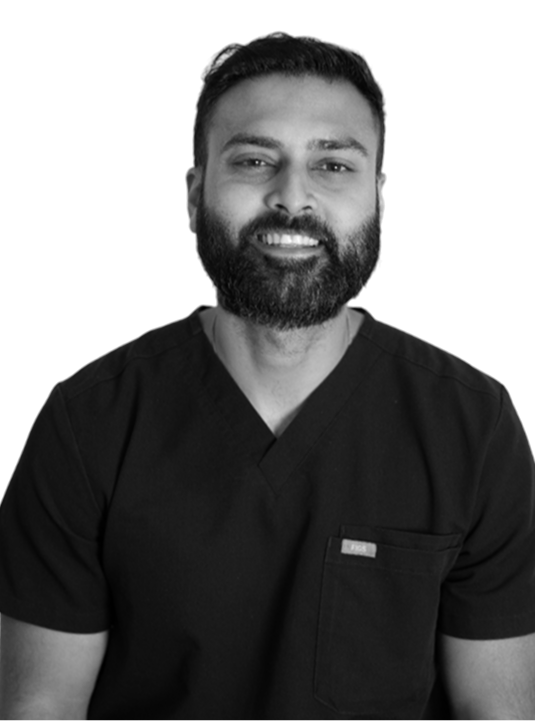
Dr. Khanna is a distinguished family medicine physician who brings a wealth of expertise by offering insightful and practical advice on a wide range of health concerns related to hair loss and dandruff. His experience in primary care gives him in-depth knowledge on managing common dermatological issues, including dandruff. Understanding the interplay between skin health, lifestyle factors, and medical conditions allows him to provide effective treatment strategies, from recommending medicated shampoos to addressing underlying causes such as seborrheic dermatitis or fungal infections. He provides a valuable resource for both patients and healthcare professionals, reinforcing the importance of comprehensive, patient-centered care.


