
Apple cider vinegar (ACV) is one of the most commonly recommended home remedies for dandruff. It’s often promoted as a natural antifungal solution that “balances scalp pH” and eliminates flakes. While it may provide temporary cosmetic improvement for some people, the medical evidence supporting apple cider vinegar as an effective dandruff treatment is limited—and there are important risks to consider.
Why People Use Apple Cider Vinegar on the Scalp
Apple cider vinegar is acidic, with a pH typically between 2 and 3. Advocates claim it helps by:
-
-
Reducing scalp yeast
-
Removing buildup
-
Restoring “healthy” scalp pH
-
Making flakes less visible
-
The idea sounds reasonable—but dandruff is more complex than surface acidity alone.
What Actually Causes Dandruff
Most dandruff is driven by:
-
-
Overgrowth of Malassezia yeast
-
Scalp inflammation
-
Impaired skin barrier function
-
Effective treatments target these factors directly. Apple cider vinegar does not reliably address them.
Does Apple Cider Vinegar Kill Dandruff-Causing Yeast?

In laboratory settings, acetic acid (the active component of vinegar) can inhibit some microorganisms. However:
-
-
There are no high-quality clinical studies showing ACV effectively treats dandruff
-
It is far less reliable than proven antifungal agents
-
Household dilution varies widely, making results inconsistent
-
In contrast, ingredients like ketoconazole, zinc pyrithione, and selenium sulfide have strong clinical evidence and predictable effects.
Why Apple Cider Vinegar Sometimes “Seems” to Work
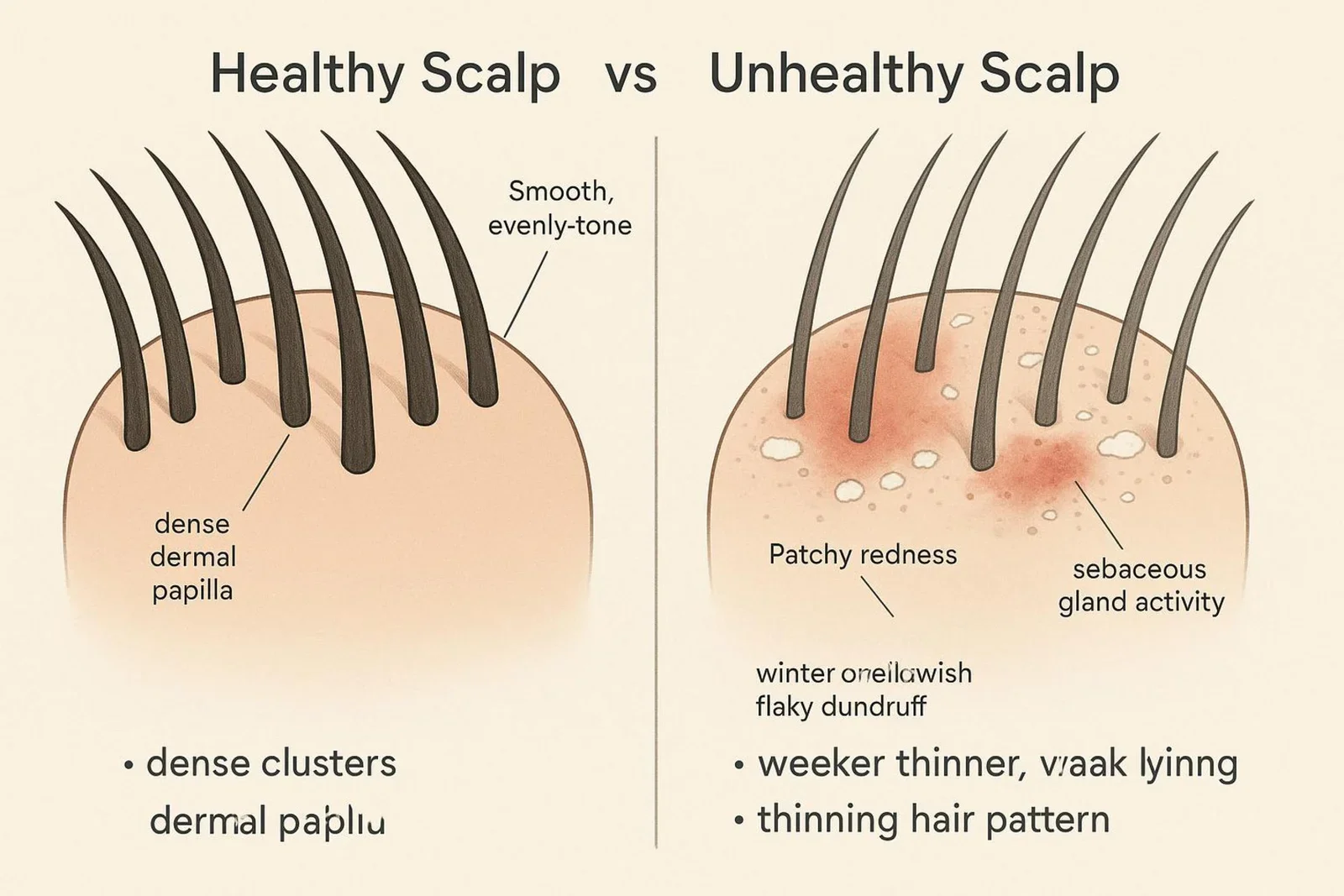
ACV may temporarily:
-
-
Loosen flakes
-
Reduce visible scale
-
Make hair appear shinier
-
This can give the impression that dandruff is improving, when in reality the underlying inflammation and yeast remain untreated. Symptoms often return quickly—sometimes worse.
Risks of Using Apple Cider Vinegar on the Scalp
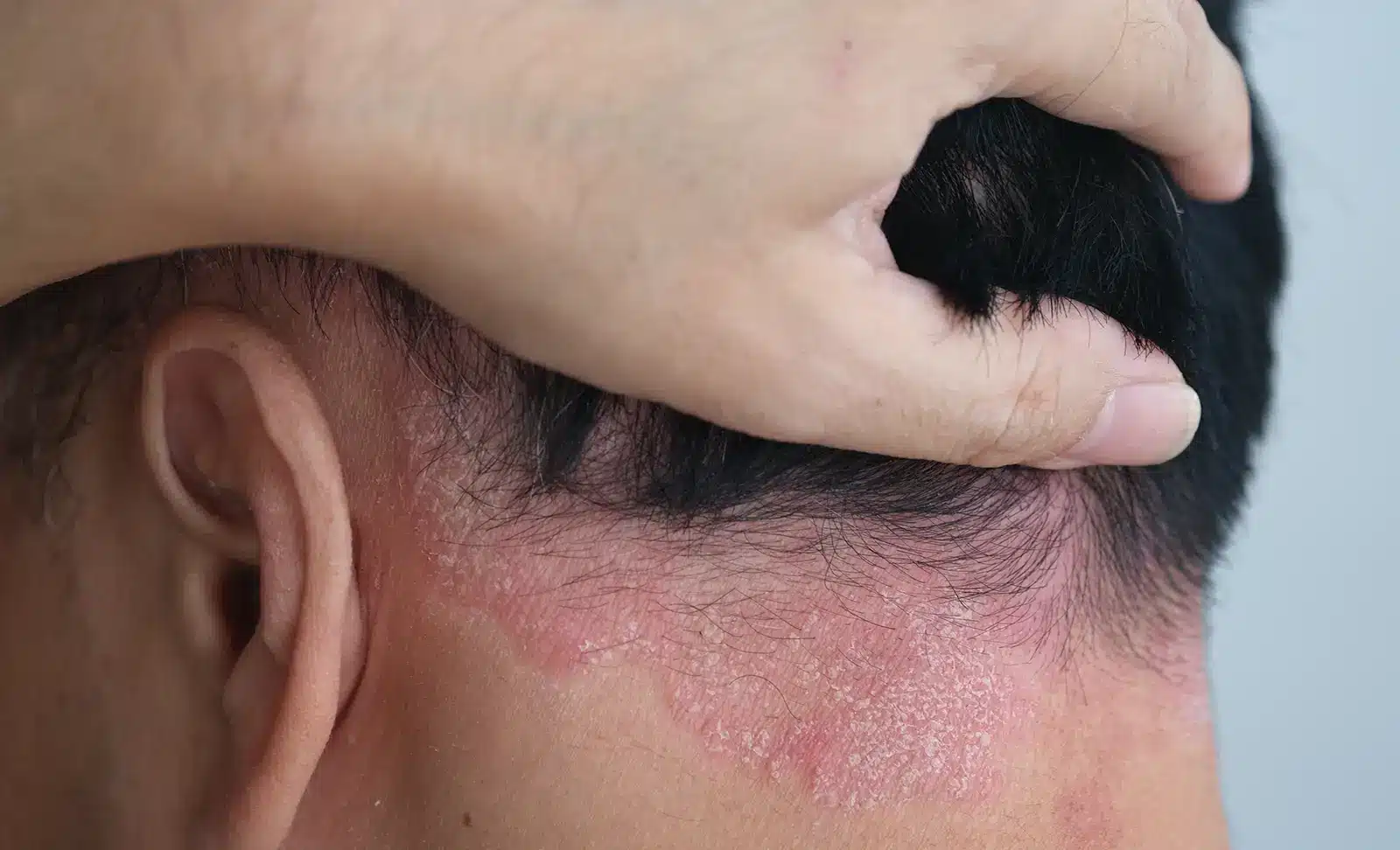
Potential side effects include:
-
-
Burning or stinging
-
Increased itching
-
Scalp redness or irritation
-
Barrier disruption
-
Worsening flaking over time
-
These risks are higher with:
-
-
Undiluted vinegar
-
Frequent use
-
Sensitive skin or seborrheic dermatitis
-
Darker skin tones prone to post-inflammatory pigment changes
-
Why “pH Balance” Is Often Misunderstood
While the scalp does have a slightly acidic surface, aggressively acidifying it does not correct dandruff. In fact, repeated acid exposure can weaken the scalp barrier and increase inflammation, which worsens dandruff long-term.
Medical treatments focus on controlling yeast and calming inflammation, not forcing pH changes.
Better, Evidence-Based Options
For most people, dandruff responds best to:
-
-
Antifungal shampoos
-
Gentle cleansing
-
Avoiding harsh irritants
-
Barrier-supporting scalp care
-
Natural remedies may feel appealing, but “natural” does not always mean safer or more effective.
Bottom Line
Apple cider vinegar is not an evidence-based treatment for dandruff. While it may temporarily reduce visible flakes, it does not reliably treat the underlying causes and can worsen irritation if used improperly. Persistent dandruff is best managed with treatments that directly address yeast and inflammation.
Medically Reviewed By

Dr. Khanna is a distinguished family medicine physician who brings a wealth of expertise by offering insightful and practical advice on a wide range of health concerns related to hair loss and dandruff. His experience in primary care gives him in-depth knowledge on managing common dermatological issues, including dandruff. Understanding the interplay between skin health, lifestyle factors, and medical conditions allows him to provide effective treatment strategies, from recommending medicated shampoos to addressing underlying causes such as seborrheic dermatitis or fungal infections. He provides a valuable resource for both patients and healthcare professionals, reinforcing the importance of comprehensive, patient-centered care.


