
Glycolic acid has become a popular ingredient in scalp care products, often marketed as a solution for flakes, buildup, and itching. While it can be helpful in certain situations, it is not a first-line treatment for dandruff and may worsen symptoms if used incorrectly. Understanding when glycolic acid helps—and when it does not—is essential before applying it to the scalp.
What Glycolic Acid Actually Does
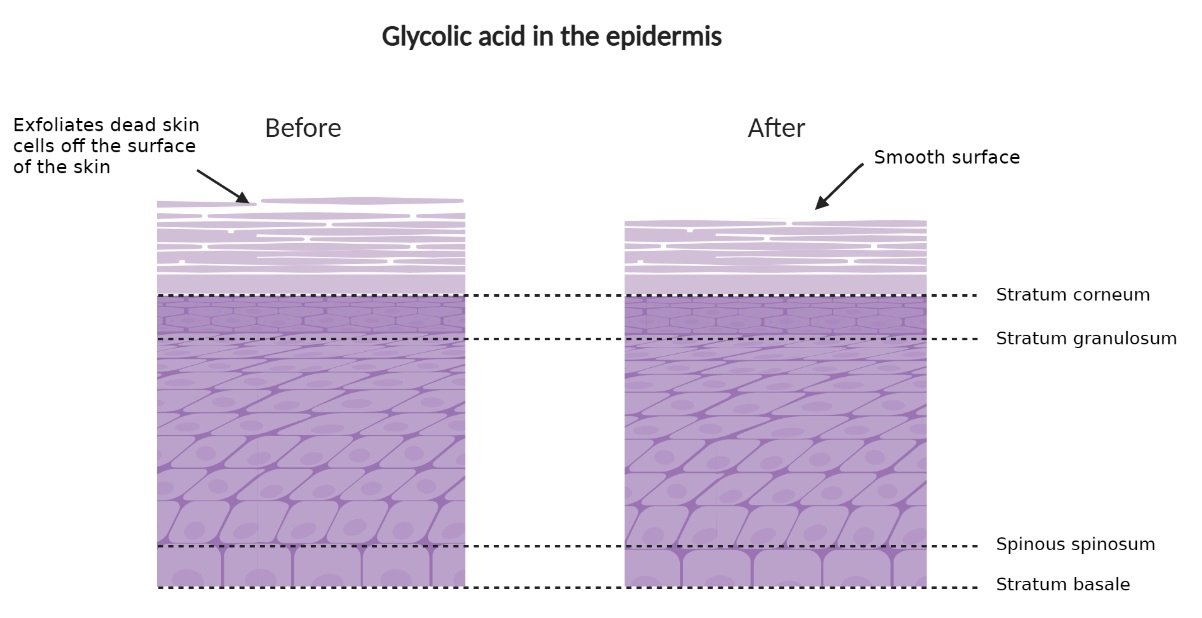
Glycolic acid is an alpha hydroxy acid (AHA) that works by exfoliating the outer layer of skin. On the scalp, this means it helps loosen and remove dead skin cells, product buildup, and scale. It does not treat the root cause of dandruff, which in most cases involves inflammation and overgrowth of Malassezia yeast.
Because of this, glycolic acid should be viewed as a supporting ingredient, not a standalone dandruff treatment.
When Glycolic Acid Can Be Helpful
Glycolic acid may be useful when dandruff is accompanied by heavy scaling or buildup that prevents medicated shampoos from working effectively. By loosening thick flakes, it can improve penetration of antifungal ingredients such as ketoconazole, zinc pyrithione, or selenium sulfide.
It may also help in people who use a lot of styling products or oils and develop scalp congestion that mimics dandruff.
When Glycolic Acid Can Make Dandruff Worse
Dandruff is an inflammatory condition. Over-exfoliating an already irritated scalp can worsen redness, itching, and flaking. Glycolic acid can disrupt the scalp barrier, especially when used too frequently or at high concentrations.
People with seborrheic dermatitis, sensitive skin, eczema, or darker skin tones prone to post-inflammatory pigment changes should be especially cautious. Increased irritation can lead to more visible scaling and prolonged symptoms.
Concentration and Frequency Matter
Many scalp products contain glycolic acid concentrations that are higher than what the scalp tolerates well long-term. Daily or frequent use increases the risk of irritation, even if the product initially improves flaking.
In most cases, glycolic acid—if used at all—should be limited to occasional use, not daily maintenance. It should never replace an antifungal shampoo when true dandruff is present.
It Does Not Kill Yeast
This is one of the most important misconceptions. Glycolic acid does not reduce Malassezia yeast levels. Removing flakes without addressing yeast and inflammation often leads to rapid recurrence of dandruff, sometimes worse than before.
If itching and flakes return quickly after exfoliation, this is a sign that the underlying condition has not been treated.
Potential Side Effects
Possible side effects include scalp burning, increased itching, redness, excessive dryness, and in some cases, rebound flaking. These effects are more likely if glycolic acid is left on too long, layered with other active ingredients, or used on broken or inflamed skin.
A Smarter Approach to Dandruff
For most people, dandruff improves best with consistent antifungal treatment, gentle cleansing, and barrier-supporting scalp care. Exfoliating acids may have a role, but only as an adjunct—not the foundation—of treatment.
Medically Reviewed By

Dr. Khanna is a distinguished family medicine physician who brings a wealth of expertise by offering insightful and practical advice on a wide range of health concerns related to hair loss and dandruff. His experience in primary care gives him in-depth knowledge on managing common dermatological issues, including dandruff. Understanding the interplay between skin health, lifestyle factors, and medical conditions allows him to provide effective treatment strategies, from recommending medicated shampoos to addressing underlying causes such as seborrheic dermatitis or fungal infections. He provides a valuable resource for both patients and healthcare professionals, reinforcing the importance of comprehensive, patient-centered care.


